
Designing for the rituals, relationships and rhythms of everyday life.

There is a particular pleasure in walking into a beautiful room. The way the light falls across a wall at a certain time of day, the relationship between materials, the lines and proportions of the furnishings, or an unexpected combination of colors. As designers we pay a great deal of attention to these things, but we're equally interested in what happens in that room once people begin to use it.
Where do you find yourself sitting with your first cup of coffee in the morning? When friends come over for dinner, where does everyone inevitably congregate? Where do the kids drop their things when they come through the door? Is there somewhere comfortable for your aging parents to sit when they visit?
These seemingly ordinary details tell us an extraordinary amount about what a home needs to be.
The small things are the big things
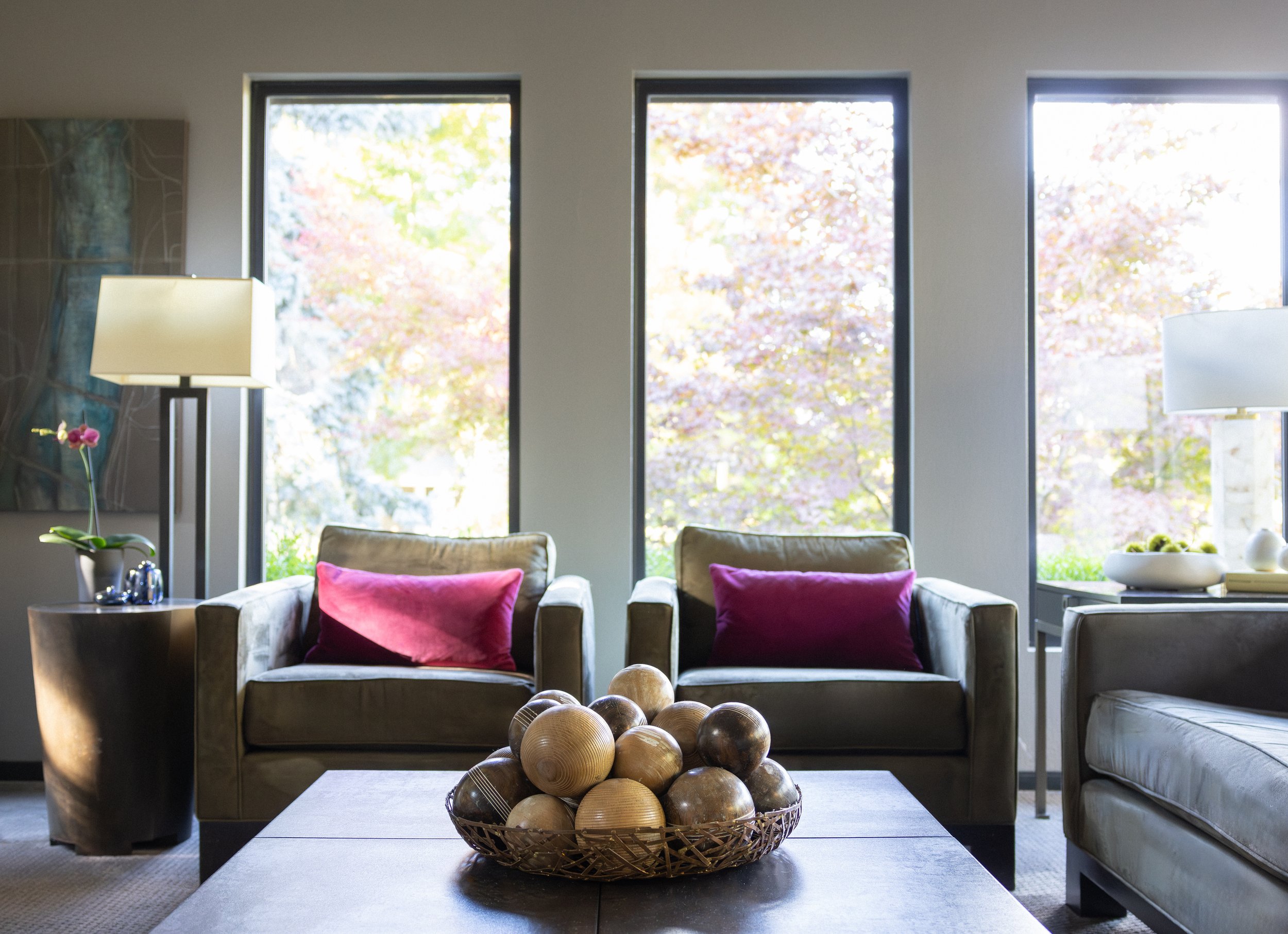
Imagine someone who begins each morning with a cup of coffee. It's a small ritual, perhaps only fifteen minutes before the demands of the day take over, but for many people, it's a moment that sets the tone for the rest of the day.
Understanding that ritual might influence where we position a window, how we configure a kitchen, where we introduce a comfortable place to sit, or how we create a connection to the garden. It might be as simple as recognizing that the best spot for morning coffee isn't necessarily where the original floor plan suggests it should be.
None of these decisions would necessarily stand out in a photograph but they could make someone's morning a little more pleasurable, every single day. Multiply that by all the little things that happen in a home over the course of a year and you begin to understand the opportunity we have as designers.
At AHID, we think as much about designing experiences as we do about designing interiors.
Designing for the way people come together
We're particularly interested in how people gather.
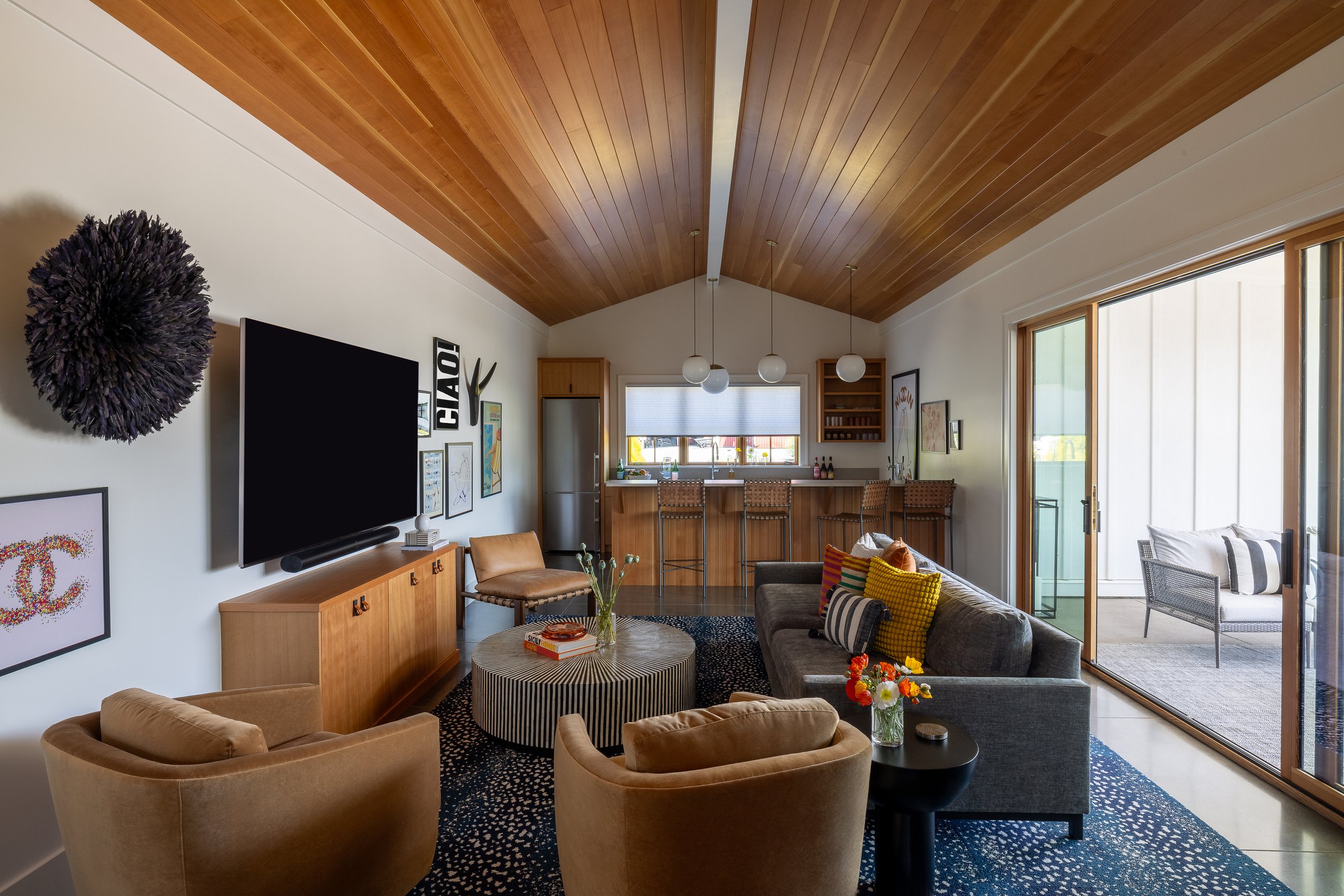
In many homes, the kitchen is the social center. The person preparing dinner wants to be part of the conversation and guests are perfectly happy to pull up a stool or lean against the counter. In others, entertaining is an occasion. There's pleasure in setting a beautiful table, moving from one room to another over the course of an evening, and having a place to settle in for conversation long after dinner is finished.
Neither is inherently better than the other. And neither necessarily requires an open floor plan. What matters is understanding how the people who live there enjoy spending time together.
That understanding informs everything from the relationship between rooms to the placement of lighting, the depth of a sofa, the number of places to set down a drink, and whether the acoustics of a room allow everyone to comfortably participate in the conversation.
A gathering may be remembered for the food, the laughter or the company. The design of the space can quietly contribute to all of it.
Making everyday life a little easier
Of course, life at home isn't always about its more pleasurable moments. There's the accumulation of shoes, backpacks and sporting equipment. The laundry that needs to make its way from one part of the house to another. The kitchen that somehow never has quite enough room for two people to prepare a meal at the same time. We don't find these things any less interesting from a design perspective.
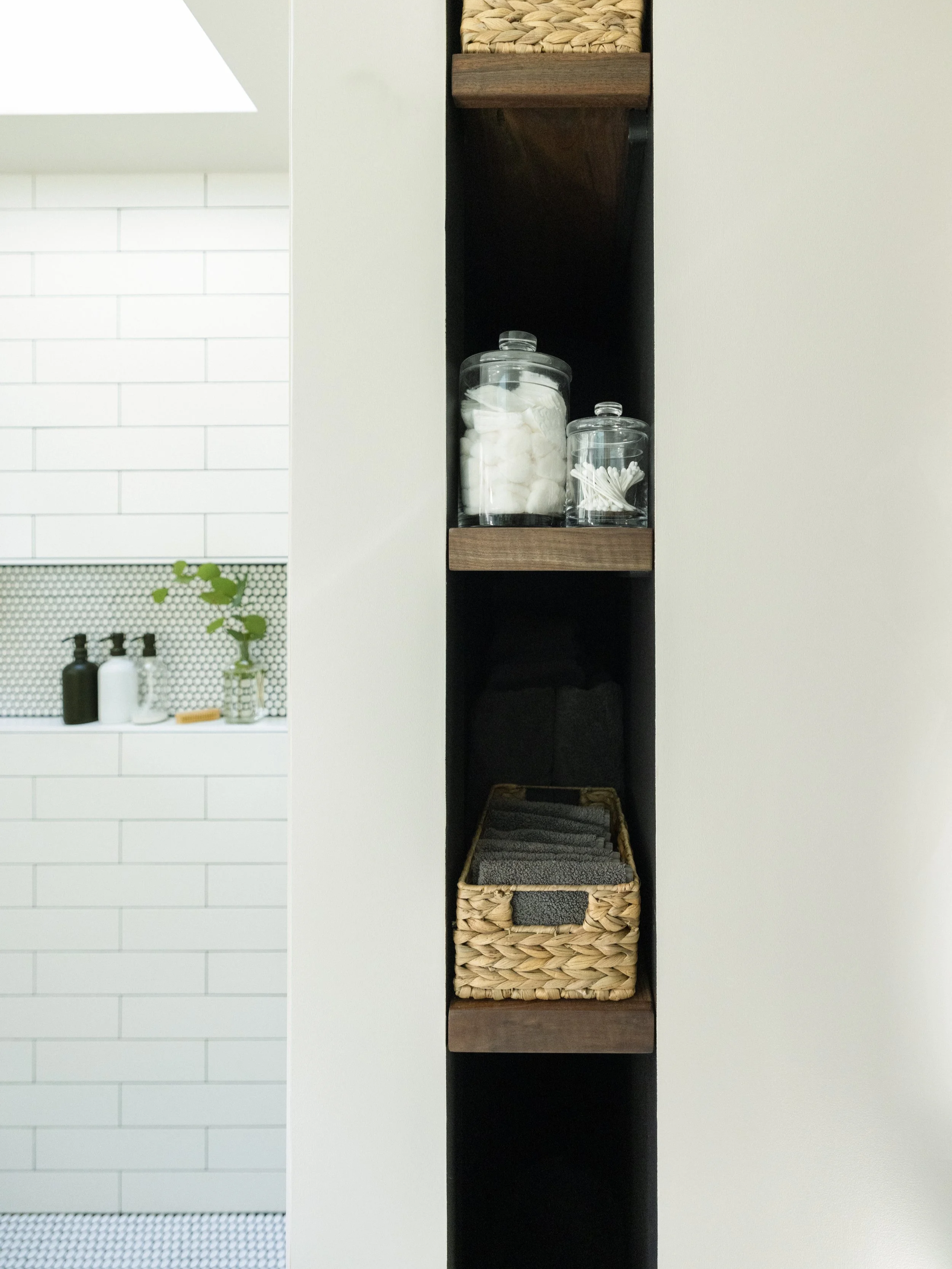
A beautifully crafted piece of cabinetry becomes considerably more meaningful when it also gives every member of the family a place to put their things. A thoughtfully configured bathroom can make the morning routine less of a negotiation and, dare we say, a pleasurable ritual in its own right. A well-designed entry can make the simple act of arriving home feel a little more orderly.
And sometimes designing for everyday life means looking further ahead. A generous circulation path, a thoughtfully positioned shower bench or lighting that makes navigating a space easier can contribute to someone's ability to live comfortably in their home for years to come. These considerations don’t need to be at odds with creating a beautiful interior. They can be integral to the design itself.
Paying attention before putting pen to paper
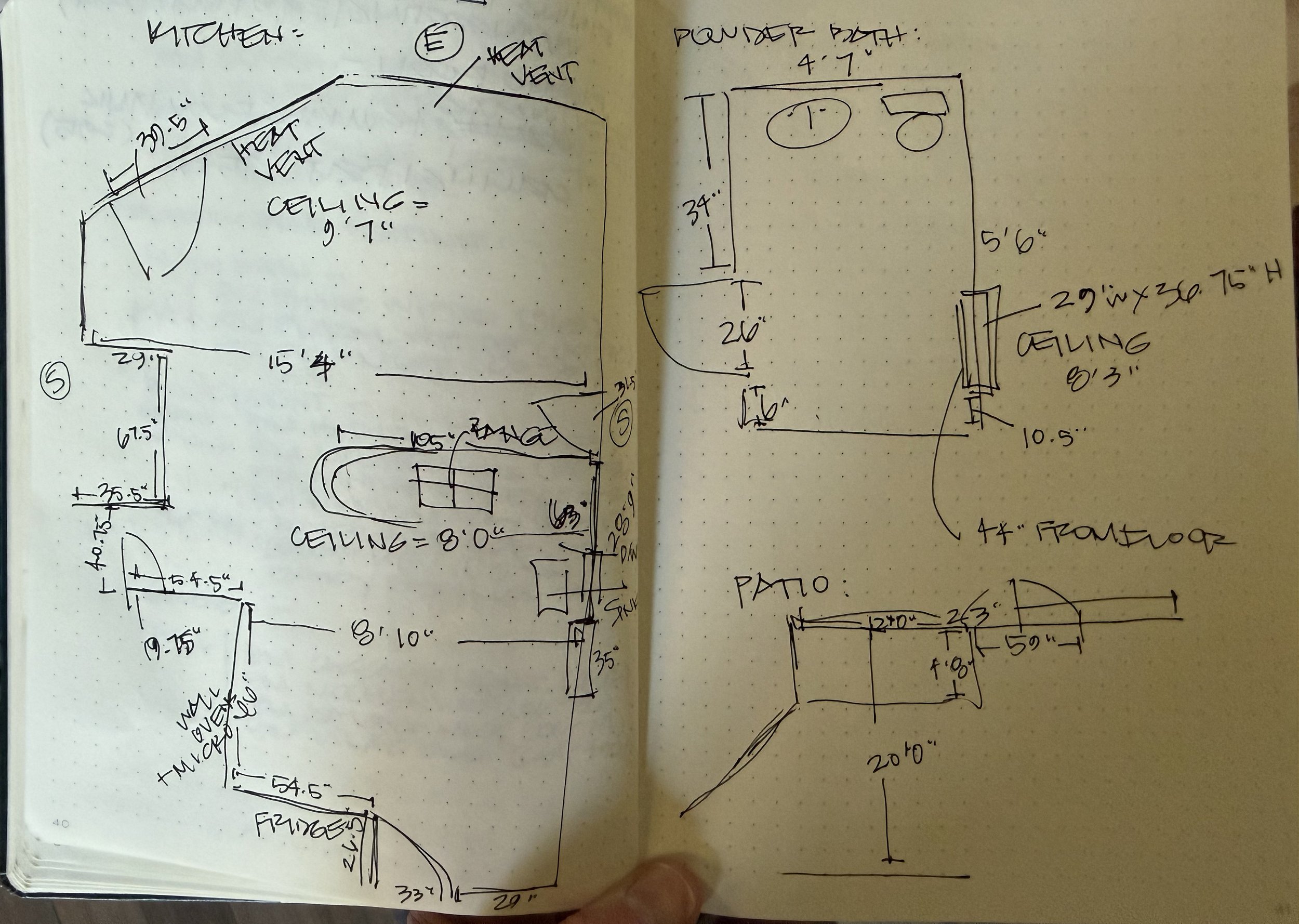
At Anne Holbrook Interior Design, some of our most important work happens before we begin designing. We ask a lot of questions. We listen to the things our clients love about their homes, the things that frustrate them, and the things they've become so accustomed to that they no longer think to question them.
We're interested in how they live now, but also in how they would like to live. Sometimes those conversations reveal opportunities that weren't part of the original project brief. Sometimes they change what we prioritize and other times they lead us to a simpler, more thoughtful solution than the one anyone initially imagined.
The better we understand the people we're designing for, the more specific and meaningful the design can become.
We want the spaces we design to be beautiful; we want them to be interesting, thoughtfully detailed, and beautifully made. But we also want someone to sit down with their morning coffee, welcome friends into their home, or simply come through the door at the end of a long day and take pleasure in being there.
Life happens in spaces. We design for what happens there.